 Lea
Lea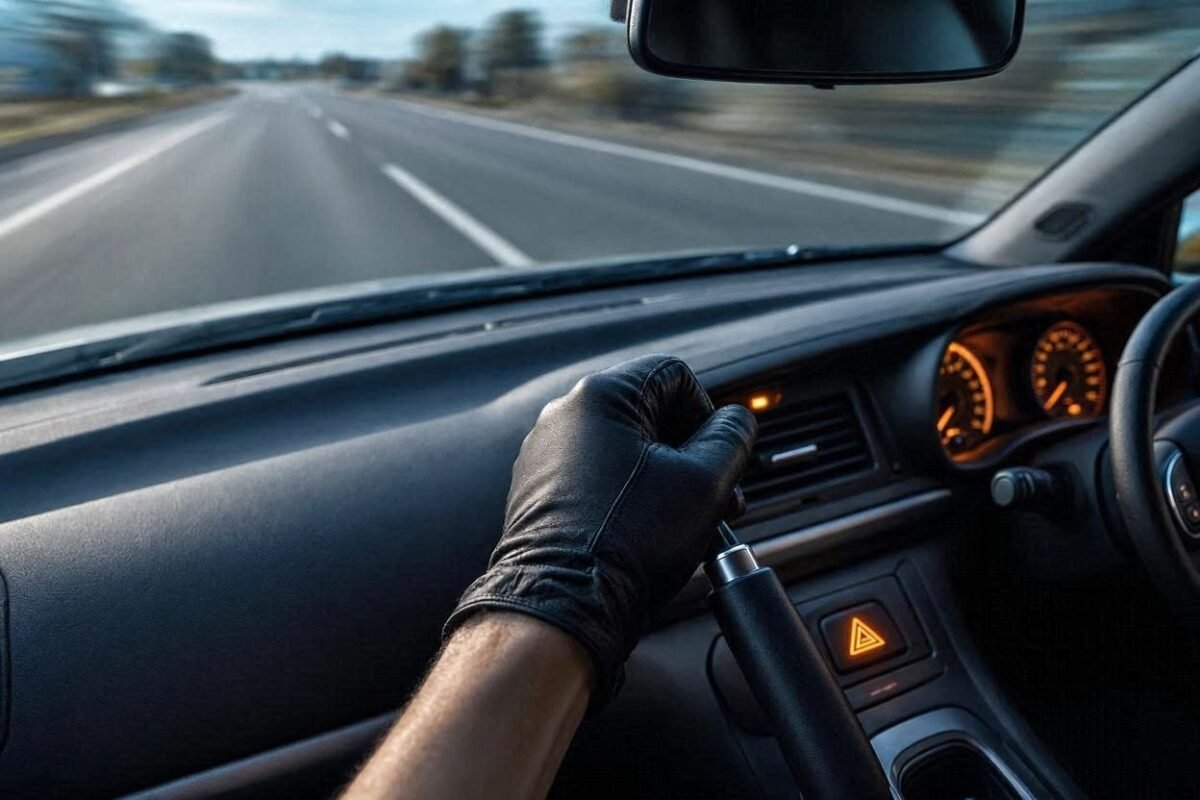
Pressing down on the brake pedal only to feel it sink completely to the floorboard with zero resistance is every driver’s ultimate nightmare. Complete brake failure is an extraordinarily terrifying emergency, but panicking in this scenario will only make matters worse.
While modern dual-circuit hydraulic braking systems make total failure rare, issues like severe fluid leaks, vapor lock, or mechanical mechanical snaps can still cause pedal loss. Knowing how to react within seconds can mean the difference between a controlled emergency stop and a severe collision.
Here is a step-by-step survival guide on what to do immediately if your car’s brakes suddenly fail while you are driving.
Step 1: Stay Calm and Take Your Foot Off the Gas
The moment you realize the brake pedal isn’t responding, panic will urge you to freeze or steer wildly.
- Take your foot completely off the accelerator pedal immediately.
- Do NOT shut off the engine! Many drivers instinctively turn off the ignition key to stop the car, but this is a dangerous mistake. Turning off the engine locks your steering wheel column and disables power steering, leaving you unable to steer around obstacles.
Step 2: Pump the Brake Pedal Rapidly
If your pedal feels soft or spongy, there may still be residual pressure left in the hydraulic lines, or a temporary gap in fluid flow.
- Pump the brake pedal fast and hard several times.
- Pumping can build up enough temporary hydraulic pressure in a dual-circuit system to engage the brakes partially, providing just enough stopping force to slow the car down.
Step 3: Downshift to Use Engine Braking
If pumping the brakes fails to slow you down, your most powerful tool is engine braking (using the engine’s compression to drag speed down).
- In a Manual Transmission: Press the clutch, shift down one gear at a time (e.g., 4th to 3rd, then 3rd to 2nd), and smoothly release the clutch after each shift.
- In an Automatic Transmission: Shift out of Drive (D) into Manual mode (M or +/-), or shift into lower gear indicators like 3, 2, or L. Downshift sequentially to force the transmission into lower gears.
Warning: Downshift one gear at a time. Shifting straight into 1st gear at high speeds can cause the drive wheels to lock up, sending the car into an uncontrollable skid.
Step 4: Gradually Apply the Emergency / Parking Brake
Once your speed drops below 30–40 mph (45–65 km/h) through engine braking, you can use your emergency brake (handbrake or electronic parking brake).
- Manual Handbrake: Pull the lever up slowly and steadily while holding the release button down. Do NOT yank the lever up violently, as this will lock the rear wheels completely and spin the vehicle out of control.
- Electronic Parking Brake (Button): Press and hold the electronic parking brake button. Most modern vehicles are programmed to apply progressive rear braking force automatically when the button is held down continuously during movement.
Step 5: Alert Other Drivers and Signal Your Intentions
While working to slow the car down, communicate with surrounding traffic to clear a safe path:
- Turn on your Hazard Lights (Double Indicators): This alerts drivers behind and beside you that your vehicle is experiencing an emergency.
- Honk the Horn: Continuous short blasts of the horn draw immediate attention from drivers ahead and pedestrians crossing the street.
Step 6: Use Friction to Stop as a Last Resort
If you are traveling downhill or towards an intersection and engine braking isn’t slowing you down fast enough, look for safe terrain to create friction:
- Guardrails and Concrete Barriers: Carefully steer the side of your car gently against a metal guardrail or concrete divider. The friction of the body panels grinding against the barrier will absorb speed rapidly.
- Incline Off-Ramps or Gravel Run-offs: Steer onto an uphill slope, gravel shoulder, or grassy embankment. Soft terrain and gravity will naturally bring the car to a halt.
- Avoid Swerving into Oncoming Traffic: If a collision is unavoidable, target soft obstacles like bushes, small hedges, or plastic water barriers rather than trees or other vehicles.
What to Do After the Vehicle Comes to a Complete Stop
Once your car stops safely:
- Shift into Park (P) or Neutral with the handbrake engaged.
- Keep hazard lights flashing.
- Turn off the engine and exit the vehicle safely if you are parked on a shoulder.
- Call for a Tow Truck immediately. Never attempt to drive a car after a brake failure, even if the pedal pressure seemingly returns.
Final Thoughts
Brake failure requires quick thinking and methodical action. By pumping the brakes, downshifting through gears to harness engine braking, and utilizing the emergency brake smoothly, you can bring a runaway vehicle to a safe, controlled stop.