 Lea
Lea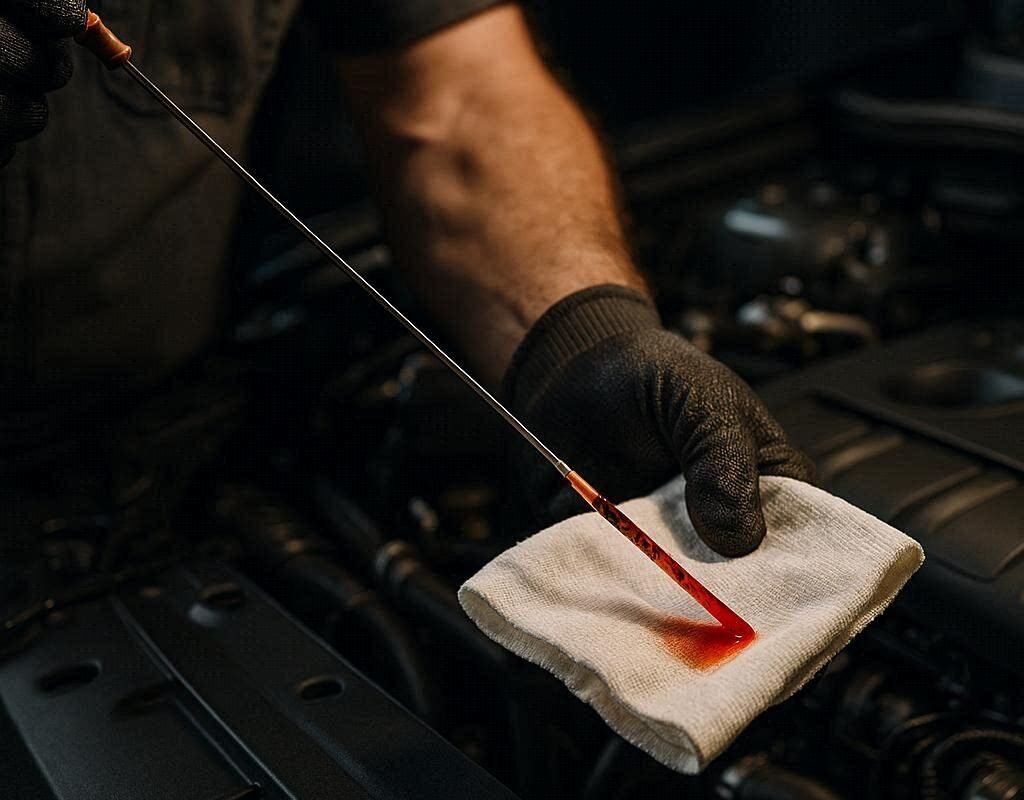
While engine oil changes are part of every car owner’s mental maintenance routine, another critical fluid under the hood is frequently neglected: transmission fluid. Your transmission is one of the most complex mechanical assemblies in your vehicle, responsible for transferring rotational power from the engine to the drive wheels across a wide range of speeds.
Transmission fluid acts as a hydraulic power medium, a gear lubricant, and a temperature regulator all at once. Over tens of thousands of miles, intense heat, friction, and metallic micro-particles break down these protective fluid additives.
Ignoring transmission fluid maintenance can lead to harsh gear slipping, delayed engagement, severe internal gear wear, and eventual transmission failure—a repair that can cost thousands of dollars.
In this comprehensive maintenance guide, we will break down the crucial functions of transmission fluid, examine how to check its quality at home, outline the warning signs of degraded fluid, and explain when to service your transmission.
What Does Transmission Fluid Actually Do?
Whether your vehicle uses an Automatic Transmission (AT), a Continuously Variable Transmission (CVT), or a Manual Transmission (MT), transmission fluid serves vital operational roles:
- Hydraulic Force Delivery: In automatic and CVT transmissions, the fluid acts as a hydraulic working medium inside the torque converter and valve body to physically actuate gear changes.
- Thermal Dissipation: Intense friction between internal planetary gear sets and clutch packs generates immense heat. The fluid absorbs this thermal energy and carries it to the transmission cooler.
- Friction & Wear Protection: Precision gear teeth turn against each other at thousands of RPMs. The fluid creates an ultra-thin protective film to prevent destructive metal-on-metal wear.
+---------------------------------------------------------------------------------+
|                    TRANSMISSION FLUID COLOR & HEALTH CHART                      |
+-------------------+-----------------------------------+-------------------------+
| Fluid Appearance  | Condition Status                  | Action Required         |
+-------------------+-----------------------------------+-------------------------+
| Translucent Red   | Fresh / Excellent Condition       | No service needed       |
| Light Brown/Pink  | Normal Wear                       | Good condition          |
| Dark Brown        | Degraded Additives / High Thermal | Schedule fluid service  |
| Black / Burnt Smell| Severe Thermal Breakdown & Friction| Immediate inspection &  |
|                   | Material Buildup                  | professional flush      |
+-------------------+-----------------------------------+-------------------------+
4 Clear Signs Your Transmission Fluid Needs Changing
1. Harsh, Slipping, or Delayed Gear Shifts
When fresh fluid additives break down, hydraulic pressure inside the valve body drops. You may notice:
- Gear Slipping: The engine RPM surges high, but the vehicle hesitates to accelerate.
- Delayed Engagement: Shifting from Park into Drive or Reverse takes several seconds before the transmission “clunks” into gear.
- Rough Shifting: Gear changes feel hard, jerky, or produce a noticeable thud.
2. Dark Color and Burnt Toast Smell
Fresh automatic transmission fluid (ATF) is dyed bright translucent red or pink by manufacturers to make leaks easy to spot. As heat oxidizes the fluid, it darkens into deep brown or black and takes on a harsh, acrid “burnt toast” odor.
3. Strange Whining, Buzzing, or Humming Noises
Low or heavily contaminated transmission fluid starves hydraulic pumps and planetary gears of lubrication, producing a distinct high-pitched whining or humming noise that changes pitch with engine acceleration.
4. Transmission Overheating Warning
Many modern vehicles feature internal sensors that trigger a dashboard message (“Transmission Temperature High”) when fluid loses its ability to dissipate operational heat effectively.
Fluid Drain & Fill vs. Full Transmission Flush
When servicing your transmission, technicians typically offer two different service options:
- Drain & Fill (Recommended for Maintenance): The pan drain plug is opened, draining approximately 40% to 60% of the old fluid stored in the pan. The filter is replaced, and fresh fluid is poured in. This gentle method refreshes protective additives without disturbing delicate internal valve seal deposits.
- Full Machine Flush: High-pressure equipment pumps fresh fluid through the entire cooling circuit, purging 100% of old fluid from the torque converter.
Expert Recommendation: For high-mileage vehicles that have never had a fluid service, a gentle Drain & Fill is safer than a high-pressure flush, which can dislodge sludge into fine hydraulic passages.
Frequently Asked Questions (FAQ)
Q: How often should I change my car’s transmission fluid?
A: Service intervals vary widely by manufacturer:
- Automatic Transmissions: Every 30,000 to 60,000 miles (50,000 to 100,000 km).
- CVT Transmissions: Every 30,000 to 45,000 miles (50,000 to 70,000 km) due to extreme belt friction.
- Manual Transmissions: Every 30,000 to 60,000 miles.
Q: Is there really such a thing as “Lifetime” transmission fluid?
A: No! “Lifetime fluid” is a marketing term used by manufacturers to lower advertised ownership costs during the standard warranty period. Under real-world driving conditions (heat, heavy loads, traffic idling), even synthetic fluids degrade and require replacement eventually.
Q: Can I mix different types of transmission fluid?
A: Absolutely not. Always use the exact fluid specification listed in your owner’s manual (e.g., Dexron VI, Mercon V, CVT NS-3). Using the wrong fluid type can destroy internal clutch friction materials within miles.
Summary
Transmission fluid is the lifeblood of your vehicle’s drivetrain. By inspecting fluid color on the dipstick periodically, recognizing symptoms like rough shifting or dark burnt fluid, and adhering to regular service intervals, you protect your transmission from heat damage and keep gear shifts silky smooth for years to come.