 Lea
Lea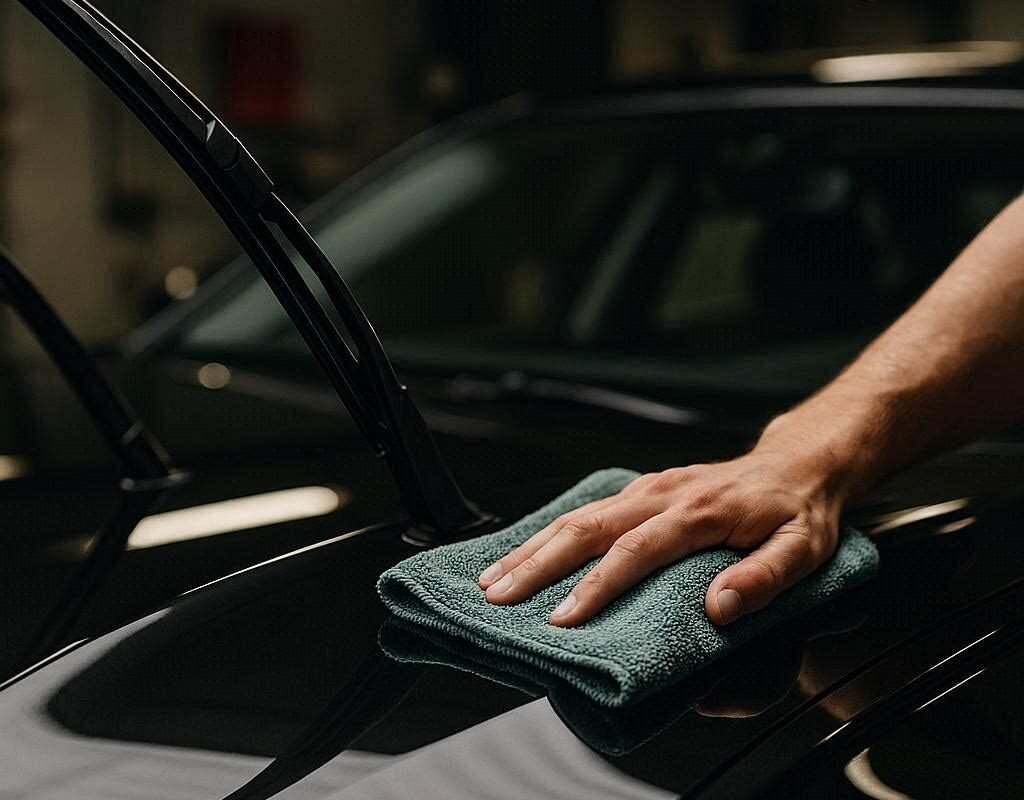
Over 90% of all driving decisions rely on clear visual information. Whether navigating heavy downpours, bright glare from oncoming traffic, or sudden road spray, having an unobstructed view through your windshield is your first line of defense against accidents.
Despite their vital role in driving safety, windshield wiper blades and washer systems are among the most frequently ignored maintenance items. Drivers often discover their wipers are dry-rotted, streaking, or chatter-prone only after a heavy rainstorm hits.
Over time, environmental factors like ultraviolet (UV) radiation, atmospheric ozone, road salt, and dirt buildup degrade delicate rubber squeegee edges, leaving behind dangerous streaks and water films.
In this comprehensive maintenance guide, we will break down different wiper blade technologies, explain how to clean windshield glass effectively, outline simple troubleshooting steps for streaking wipers, and share essential habits to preserve clear driving vision year-round.
Anatomy of Modern Wiper Blade Technology
Not all wiper blades are created equal. Choosing the right design for your vehicle makes a major difference in wiping performance and noise reduction.
The Three Main Wiper Blade Styles:
- Conventional Frame Blades: Feature an exposed metal bracket design with multiple pressure points. While affordable, they are prone to ice buildup in winter and lift off the glass at high highway speeds.
- Beam / Frameless Blades: Feature a curved, jointless steel strip encased inside a sleek aerodynamic rubber shell. They provide uniform pressure distribution across curved modern windshields and resist wind lift.
- Hybrid Blades: Combine the solid internal frame structure of conventional blades with the sleek aerodynamic cover of beam blades, offering heavy-duty wiping force and all-weather durability.
+---------------------------------------------------------------------------------+
|                       WIPER & GLASS PROBLEM DIAGNOSIS                           |
+----------------------+---------------------------+------------------------------+
| Observed Symptom     | Primary Cause             | Quick DIY Solution           |
+----------------------+---------------------------+------------------------------+
| Water Streaks        | Hardened or cracked rubber| Clean squeegee or replace    |
|                      | edge                      | blade element                |
| Chattering / Hopping | Contaminated glass or     | Deep clean glass with clay   |
|                      | bent metal wiper arm      | bar / align wiper arm        |
| Water Beads Obscure  | Worn factory hydrophobic  | Apply specialized glass      |
| Vision               | coating / Oily film       | sealant water repellent      |
| Weak Washer Spray    | Clogged spray nozzle jet  | Clear nozzle pinhole with a  |
|                      | or pinched washer hose    | fine needle                  |
+----------------------+---------------------------+------------------------------+
4 Steps to Stop Wiper Streaking and Chattering
Before spending money on new replacement wiper blades, perform these deep cleaning steps to restore original wiping clarity:
Step 1: Clean the Rubber Squeegee Edges
Tree sap, road grime, and wax residues coat rubber wiper edges over time, causing them to slip and leave wide water streaks.
- Lift the wiper arm away from the glass.
- Saturate a clean microfiber cloth with isopropyl rubbing alcohol or warm soapy water.
- Wipe the thin rubber squeegee edge up and down until the cloth comes away clean without black grime residue.
Step 2: Strip Contaminants from the Glass
Car wash waxes, road oils, and microscopic bug splatter bond tightly to windshield glass, creating a rough surface that makes wiper blades chatter (hop violently across the windshield).
- Wash the windshield thoroughly using an ammonia-free automotive glass cleaner.
- For stubborn bonded contaminants, use a fine detailing clay bar or automotive glass polish to restore a silky-smooth surface texture.
Step 3: Apply Hydrophobic Glass Water Repellent
Treating outer glass with a specialized hydrophobic coating (such as Rain-X or ceramic glass coatings) forces rain droplets to bead up and roll off instantly at speeds above 35 mph, dramatically reducing reliance on wiper motor cycles.
Step 4: Clear the Washer Nozzle Jets
If your washer fluid sprays unevenly or trickles out weakly:
- Inspect the rubber washer fluid supply hose for pinches or cracks beneath the hood insulation.
- Insert a fine sewing needle into the small nozzle openings on your hood cowl to dislodge mineral deposits or trapped wax.
Essential Habits to Extend Wiper Blade Lifespan
- Never Run Wipers Dry: Always spray windshield washer fluid before activating wiper blades on dry glass. Friction against dry dirt and dust tears delicate rubber edges.
- Scrape Ice Before Turning Wipers On: Turning on wipers while frozen stuck to an icy windshield tears squeegees off the frame and burns out internal wiper motor gears.
- Park with Wipers Lifted in Extreme Sun or Snow: Lift wiper arms off the windshield when parking outdoors during freezing snowstorms or scorching summer days to prevent rubber from melting or freezing directly onto glass.
Frequently Asked Questions (FAQ)
Q: How often should I replace my car’s wiper blades?
A: Wiper blades should be replaced every 6 to 12 months, or as soon as you notice persistent streaking, squeaking, chattering, or visible cracks along the rubber edge.
Q: Can I use plain water in my windshield washer fluid reservoir?
A: Plain water is not recommended. It lacks the detergent solvents needed to dissolve oily bugs or sap, freezes solid in cold temperatures, and encourages algae growth inside the plastic fluid reservoir. Always use proper automotive washer fluid.
Q: Why are my new wiper blades skipping across the glass?
A: Skipping on fresh blades usually means the metal wiper arm is slightly twisted, preventing the rubber blade from contacting the windshield at a perpendicular 90-degree angle. Gently adjust the metal arm alignment using a adjustable wrench.
Summary
Maintaining crystal-clear windshield visibility requires minimal effort and expense. By cleaning rubber squeegees regularly with isopropyl alcohol, stripping glass surface oil, using quality washer fluid, and replacing blades every 6 to 12 months, you ensure maximum road visibility and driving confidence in all weather conditions.