 Lea
Lea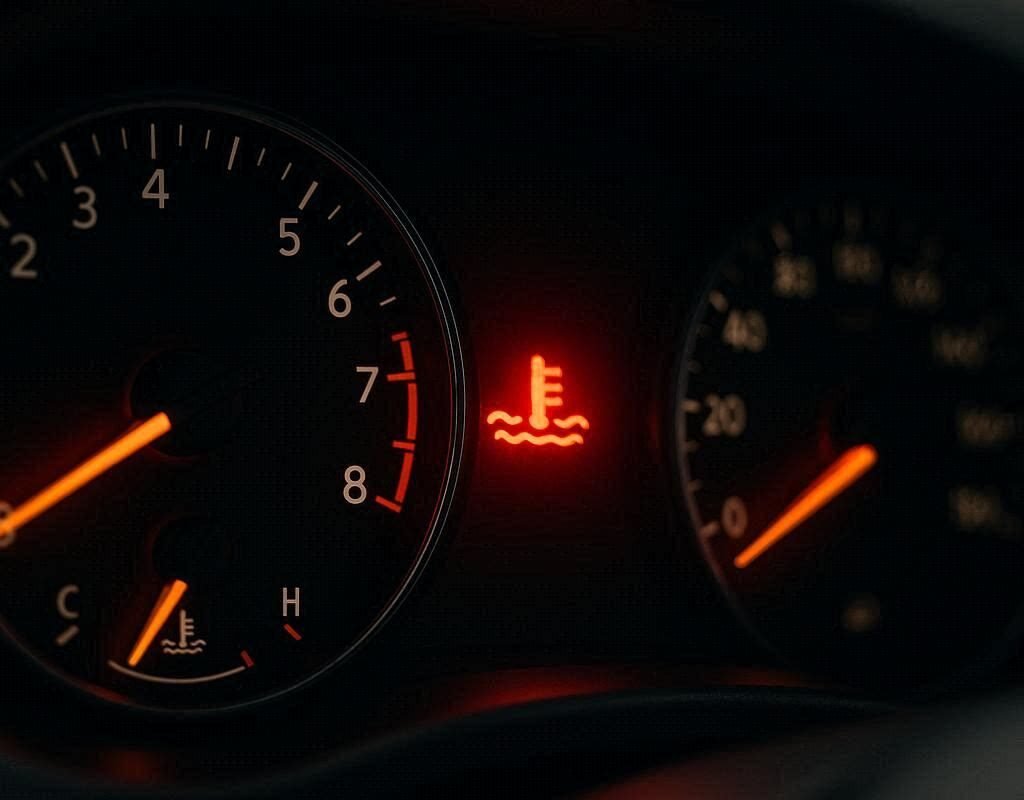
An engine running at peak operating temperature is a marvel of mechanical efficiency. However, when internal thermal management fails and heat exceeds designed safety thresholds, an overheating engine can transform from a smooth power source into an expensive mechanical disaster within minutes.
Engine overheating is one of the leading causes of catastrophic engine failures, often resulting in warped cylinder heads, blown head gaskets, or cracked engine blocks. Fortunately, modern cooling systems provide early warning signals before critical damage takes place.
In this comprehensive guide, we will break down how your car’s cooling system operates, highlight the primary warning signs of thermal overload, explain immediate actions to take if your temperature gauge spikes, and outline simple maintenance steps to prevent overheating entirely.
How Your Vehicle’s Cooling System Works
To prevent thermal breakdown, internal combustion engines circulate a mixture of liquid coolant (antifreeze and distilled water) through closed internal channels.
Key Components of the Cooling System:
- Water Pump: Driven by the engine belt, it pushes coolant through the engine block to absorb intense combustion heat.
- Thermostat: A heat-sensitive valve that remains closed until the engine reaches operating temperature, then opens to allow hot coolant to travel to the radiator.
- Radiator: Located at the front of the vehicle, it dissipates absorbed heat into passing outside air as you drive.
- Radiator Fan: Draws airflow through the radiator fins when the vehicle is idling or moving slowly in heavy traffic.
- Coolant Expansion Reservoir: Holds extra fluid to accommodate pressure changes as coolant expands and contracts.
4 Major Warning Signs Your Engine Is Overheating
+---------------------------------------------------------------------------------+
|                       ENGINE OVERHEATING DIAGNOSIS CHART                       |
+----------------------+---------------------------+------------------------------+
| Observed Warning     | Primary Cause             | Urgency Level                |
+----------------------+---------------------------+------------------------------+
| Gauge needle in RED  | Low coolant level / Leak  | Critical: Stop immediately   |
| Sweet maple odor     | Coolant leaking on block  | High: Inspect hose & radiator|
| Steam from hood      | Extreme pressure buildup  | Critical: Turn off engine    |
| Ticking / Knock sound| Oil lubrication breakdown | Severe: Mechanical danger    |
+----------------------+---------------------------+------------------------------+
1. Temperature Gauge Creeping Toward Red
Your dashboard temperature gauge normally stays parked dead center between C (Cold) and H (Hot). If the needle begins steadily climbing past the three-quarter mark or a red coolant icon lights up, your cooling system is losing heat dissipation control.
2. Sweet, Maple-Syrup Odor from the Engine Bay
Ethylene glycol—the active chemical compound in automotive coolant—produces a distinctive sweet aroma when heated. If you smell a sweet syrup scent inside or outside your cabin while driving, coolant is likely dripping onto hot exhaust pipes or leaking from a cracked hose.
3. Steam Billowing from Under the Hood
If internal cooling pressure exceeds the safety limit set by the radiator cap, boiling coolant converts into high-pressure steam, forcing its way out around the hood edges.
Safety Warning: Steam indicates extreme pressure! Never attempt to open a hot radiator cap or coolant reservoir lid. Doing so can cause boiling fluid to spray with dangerous force.
4. Engine Power Loss and Metallic Ticking
As thermal expansion distorts internal metal clearances, pistons rub violently against cylinder walls and engine oil thins out, losing its protective film. This causes loss of throttle response accompanied by deep metallic ticking or pinging noises.
What to Do Immediately If Your Engine Overheats
If your temperature warning light illuminates while driving, execute these steps immediately to minimize damage:
- Turn ON Your Heater to Full Hot: It sounds counterintuitive on a hot day, but turning your cabin heater to MAX HEAT and MAX FAN acts as an auxiliary radiator, drawing excess heat directly out of the engine block.
- Pull Over Safely and Idle: Signal and pull onto a safe shoulder. Shift into Park (or Neutral) and leave the engine idling for 1 to 2 minutes while monitoring the gauge. If the needle continues climbing, shut off the ignition immediately.
- Wait at Least 30 Minutes Before Opening the Hood: Allow the engine to cool completely before inspecting fluid levels.
- Top Up Coolant / Distilled Water (When Cold): Once the engine bay is cool to the touch, slowly open the expansion tank and add pre-mixed coolant or distilled water to reach the full line.
Simple Preventive Maintenance Habits
- Check Coolant Level Monthly: Inspect the translucent coolant reservoir tank to ensure fluid remains between the “Min” and “Max” cold indicators.
- Flush Coolant Every 30,000 to 50,000 Miles: Corrosion inhibitors inside coolant degrade over time. Fresh coolant prevents internal rust, mineral buildup, and scale deposits inside radiator tubes.
- Inspect Radiator Hoses for Softness or Cracks: Squeeze upper and lower rubber radiator hoses when the engine is cold. They should feel firm yet flexible—never mushy, brittle, or bulging.
Frequently Asked Questions (FAQ)
Q: Can I use plain tap water instead of coolant in an emergency?
A: In a desperate emergency to reach a repair shop, yes. However, tap water contains minerals that create corrosion scale inside your engine and lacks the boiling point elevation and anti-freezing qualities of proper coolant. Drain and flush with real coolant as soon as possible.
Q: Why does my car only overheat when stopped in traffic?
A: Overheating specifically while idling or stopped in traffic typically points to a failed electric radiator fan or a clogged radiator exterior, as no natural wind is passing through the radiator core.
Q: How much does it cost to fix a blown head gasket from overheating?
A: Replacing a blown head gasket is a major repair requiring extensive engine disassembly, typically costing between $1,500 and $3,000+ in labor and parts.
Summary
Preventing engine overheating relies on vigilance and quick reactions. By keeping an eye on your dashboard gauges, maintaining proper coolant fluid levels, and turning off the ignition the moment steam or high temperatures appear, you can protect your engine block and avoid catastrophic repair costs.