 Lea
Lea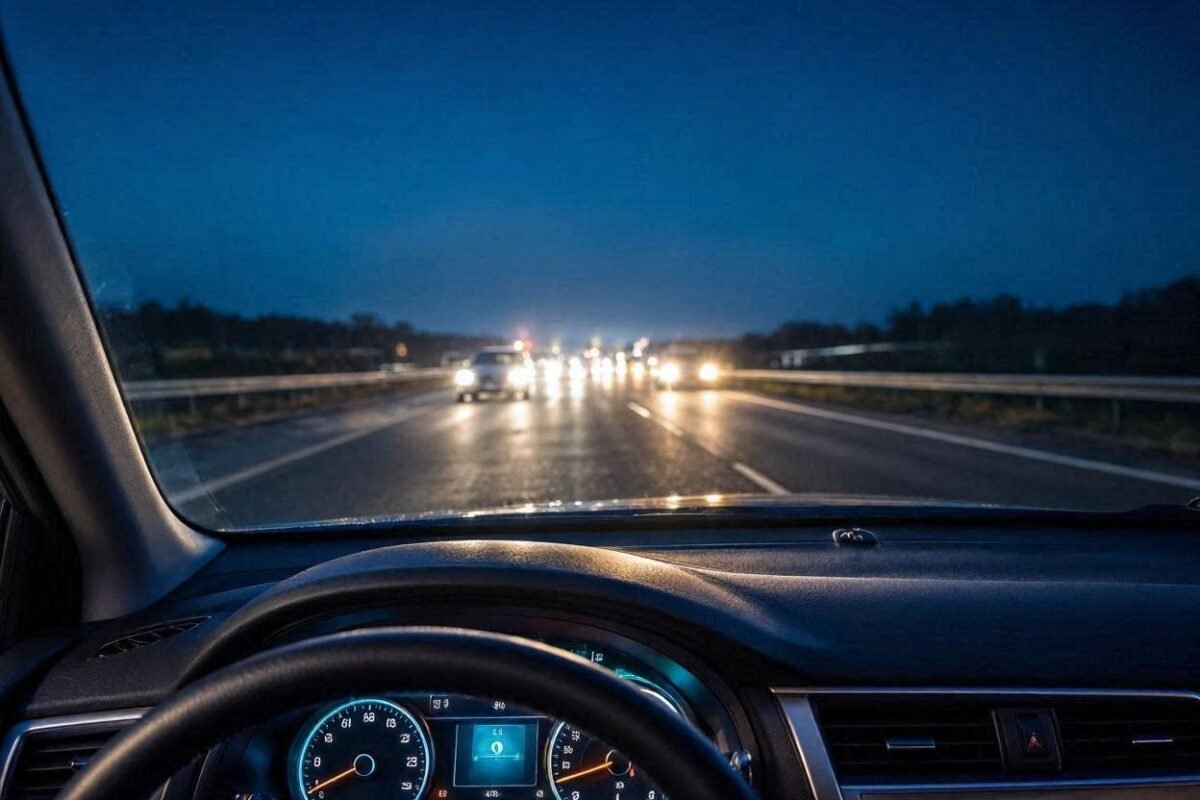
Driving at night poses unique challenges even for experienced drivers. According to traffic safety statistics, while only a fraction of total driving occurs after dark, a disproportionate number of fatal traffic accidents happen at night.
The primary culprit? Reduced visibility, fatigue, and intense glare from oncoming high-beam headlights.
High-intensity LED and Xenon headlights on modern vehicles can temporarily blind drivers, severely slowing reaction times. In this guide, we will explore practical techniques to minimize headlight glare, boost nighttime vision, and stay safe during late-night road trips.
Why Night Driving Is More Dangerous
Understanding the physiological limitations of night vision helps explain why extra caution is necessary after sunset:
- Reduced Depth Perception: Human eyes rely heavily on light contrast to judge speed and distance. In the dark, estimating how fast an oncoming vehicle is traveling becomes significantly harder.
- Color Blindness in Low Light: The eye’s rod cells handle low-light vision but cannot register color well, reducing your peripheral vision sharpness.
- Flash Blindness (Glare Effect): When exposed to sudden bright light in a dark environment, your pupils contract instantly. When the light passes, it takes several seconds for your eyes to readjust to the darkness, leaving you driving “blind” during those crucial seconds.
How to Deal with Oncoming Headlight Glare
When an oncoming vehicle refuses to dim its high beams, or has misaligned headlights, follow these visual techniques to protect your sight:
1. Look Down and to the Right Edge of Your Lane
Instead of staring directly at oncoming headlights, shift your gaze slightly downward toward the white lane line (or pavement marker) on the right side of the road.
Using the right lane boundary as a guide allows you to maintain your steering path while keeping the blinding light source in your peripheral vision, preventing direct pupil contraction.
2. Flip Your Rearview Mirror to Night Mode
If a vehicle tailgating behind you has bright headlights shining into your cabin, flip the small tab at the bottom of your manual rearview mirror. This angle adjustment reflects only a fraction of the incoming light into your eyes while keeping the trailing car visible.
If your car has an auto-dimming rearview mirror, ensure the sensor button is switched ON.
3. Never Flash High Beams in Retaliation
It can be frustrating when an oncoming driver forgets to turn off their high beams, but flashing your own high beams back at them is extremely dangerous. Creating two blinded drivers traveling toward each other at high speeds significantly increases the risk of a head-on collision.
5 Essential Maintenance Steps for Safer Night Driving
Proactive vehicle maintenance plays a massive role in reducing nighttime glare and improving visibility:
1. Clean the Inside of Your Windshield
A thin layer of haze, dust, and off-gassed plastic residue builds up on the inside surface of your car’s windshield over time. While invisible during the day, this film scatters incoming light at night, creating severe streaks and blinding halos. Clean the interior glass regularly using a dedicated glass cleaner and a microfiber cloth.
2. Ensure Exterior Lights Are Clean and Aligned
Dirt and grime on your headlight lenses diffuse the beam, reducing road illumination while scattering light upward into other drivers’ eyes. Wash your headlight lenses frequently and verify that the light beams are properly aimed at the road surface.
3. Dim Your Dashboard Lights
Bright digital displays, ambient cabin lights, and glowing infotainment screens force your eyes to adjust constantly between the bright cabin interior and the pitch-black road ahead. Turn down your instrument panel brightness to a comfortable low setting during night drives.
4. Never Wear Tinted Glasses at Night
Some drivers buy cheap “night driving glasses” with yellow-tinted lenses, believing they enhance contrast. In reality, testing by safety organizations shows that tinted lenses actually reduce the total amount of light reaching your eyes, making dark hazards even harder to spot.
Safe Driving Practices After Dark
- Increase Your Following Distance: Double your stopping distance behind the car ahead (4 to 5 seconds) to compensate for delayed hazard recognition in the dark.
- Watch for Animal Eyes reflection: In rural areas, look for tiny reflections of light in the roadside brush. An animal’s eyes will reflect headlight beams long before its body becomes visible.
- Take Frequent Rest Breaks: Eyestrain causes mental fatigue much faster at night. On long trips, pull over at a safe rest area every 2 hours to rest your eyes and stretch.
Final Thoughts
Mastering night driving safety is all about vision management and proactive vehicle maintenance. By keeping your windshield spotless, adjusting cabin lighting, and directing your line of sight away from oncoming high beams, you can navigate nighttime roads with confidence and security.