 Lea
Lea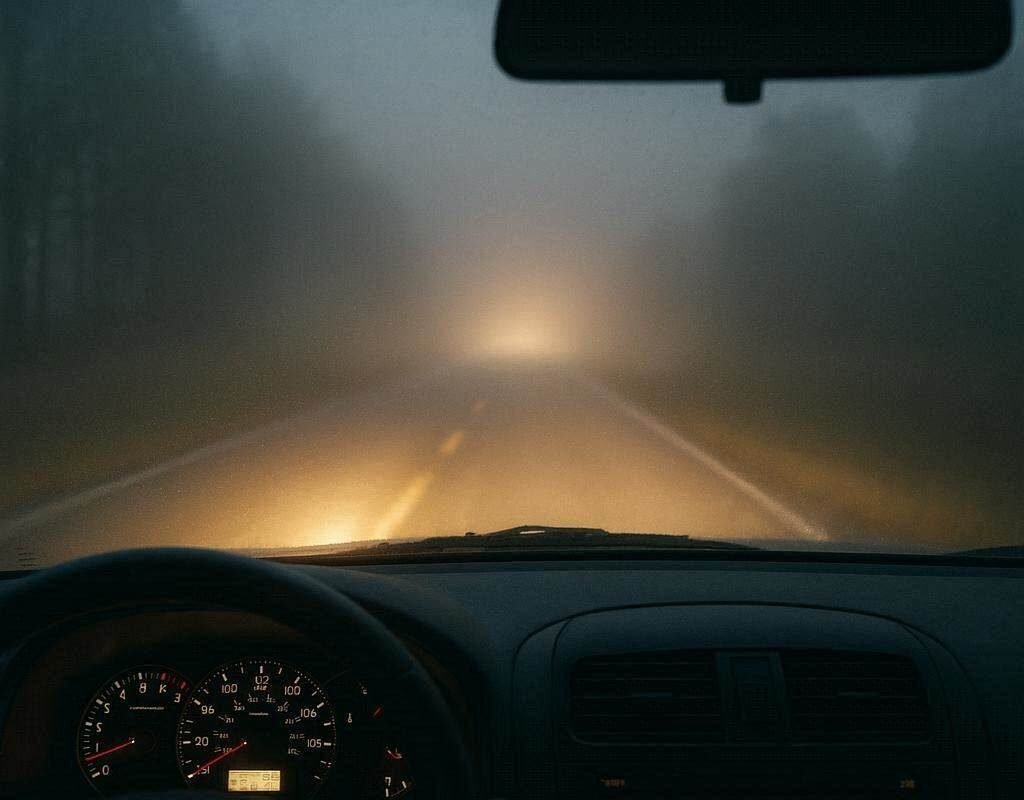
Navigating a vehicle when visibility plummets—whether due to thick morning fog, heavy dust storms, intense smoke, or blinding downpours—is one of the most nerve-wracking challenges a driver can face. Reduced visibility eliminates your ability to spot upcoming hazards, judge distances accurately, or react to sudden traffic slowdowns.
In dense fog or dust, spatial awareness distorts quickly. Drivers often experience an illusion of moving slower than they actually are, leading to dangerous speed miscalculations. Multi-vehicle pileups on highways during low-visibility events frequently occur because drivers follow tailgate lights too closely or use incorrect lighting settings.
In this comprehensive safety guide, we will break down the science of visual obstruction, outline essential vehicle lighting rules, and share critical defensive driving strategies to keep you safe when visibility drops to near zero.
The Optical Illusion of Fog and Dust Driving
To drive safely in low visibility, you must understand how light interacts with airborne particles like water droplets (fog) or fine soil (dust).
When light hits suspended micro-droplets or dust particles, it undergoes backscatter—the light bounces directly back into your eyes rather than penetrating forward onto the road surface.
- High Beams Create a “Wall of White”: Activating high-beam headlights in fog or dust directs light straight into the dense particle field at eye level, creating a blinding glare sheet.
- Speed Perception Distortion: Without landmark visual cues like trees, streetlights, or road signs passing by in your peripheral vision, your brain underestimates your actual travel speed.
+---------------------------------------------------------------------------------+
|                       LOW VISIBILITY LIGHTING GUIDE                             |
+-------------------+-----------------------------------+-------------------------+
| Lighting Feature  | Setting in Fog / Dust / Smoke     | Safety Reason           |
+-------------------+-----------------------------------+-------------------------+
| Low-Beam Lights   | ALWAYS ON                         | Directs light downward, |
|                   |                                   | reducing blinding glare |
| High-Beam Lights  | NEVER USE                         | Causes backscatter glare|
| Front Fog Lights  | ENABLE IF EQUIPPED                | Wide, low beam cuts     |
|                   |                                   | under thick fog layer   |
| Hazard Lights     | OFF WHILE MOVING                  | Reserved strictly for   |
|                   |                                   | stationary emergencies  |
+-------------------+-----------------------------------+-------------------------+
5 Critical Rules for Driving in Low Visibility
1. Use Low-Beam Headlights and Dedicated Fog Lights
Always turn your headlight switch manually to Low-Beam. Automatic lighting systems often rely on ambient light sensors and may fail to turn tail lights on during daytime fog.
- Dedicated fog lights are positioned low on the front bumper and project a wide, flat beam angled toward the road surface, cutting beneath the thickest fog blanket where it hovers above the ground.
2. Follow the Right-Side Road Line (Fog Line)
When visibility is severely compromised, do not stare straight ahead into the gray void. Instead, guide your vehicle by tracking the solid white line painted on the right edge of the road (known as the fog line).
- Avoid using the center yellow line as a guide, as doing so pulls your vehicle closer to oncoming traffic whose drivers may also be struggling to see.
3. Increase Following Distance dramatically
Space gives you time to react. In clear conditions, a 3-second gap is sufficient. In fog, dust, or heavy mist, expand your stopping cushion to 6 to 8 seconds. If a vehicle behind you is tailgating, gently pull over in a safe area to let them pass rather than speeding up.
4. Resist the Temptation to Follow Taillights Closely
It is a natural psychological impulse to lock onto the red taillights of the car ahead when you cannot see the road. However, this creates a dangerous “blind leading the blind” scenario. If the lead driver misjudges a turn or slams into a stopped vehicle, you will follow them straight into a collision.
5. Pull Completely Off the Road if Visibility Reaches Zero
If you cannot see more than a few feet ahead and driving becomes unsafe:
- Signal early and pull completely off the paved roadway onto a wide shoulder or parking lot.
- Turn OFF all exterior lights, apply the emergency brake, and keep your foot off the brake pedal. If your brake or tail lights remain illuminated while parked near the travel lane, drivers approaching from behind may assume you are moving and crash into your stationary car.
Frequently Asked Questions (FAQ)
Q: Should I turn on my hazard lights while driving slowly in fog?
A: No. Driving with hazard lights on confuses motorists behind you because they cannot tell if you are preparing to turn, change lanes, or have stopped completely. Use hazard lights only when your car is fully stopped off the roadway.
Q: What is the difference between yellow and white fog lights?
A: Selective yellow fog lights have longer wavelengths that scatter less when hitting water droplets or dust compared to short-wavelength blue/white light, offering slightly improved contrast in heavy mist.
Q: How does a dust storm require different driving tactics than fog?
A: Dust storms often strike abruptly with high winds. Because blowing dust contains abrasive soil particles that can clog air intakes, switch your climate control to Recirculation Mode immediately to keep dust out of your cabin and air filter.
Summary
Low-visibility conditions demand patience, lower speeds, and proper lighting discipline. By using low beams, tracking the right-hand fog line, maintaining generous braking distances, and pulling completely off the road when conditions become unmanageable, you ensure a safe arrival no matter how thick the fog or dust becomes.