 Lea
Lea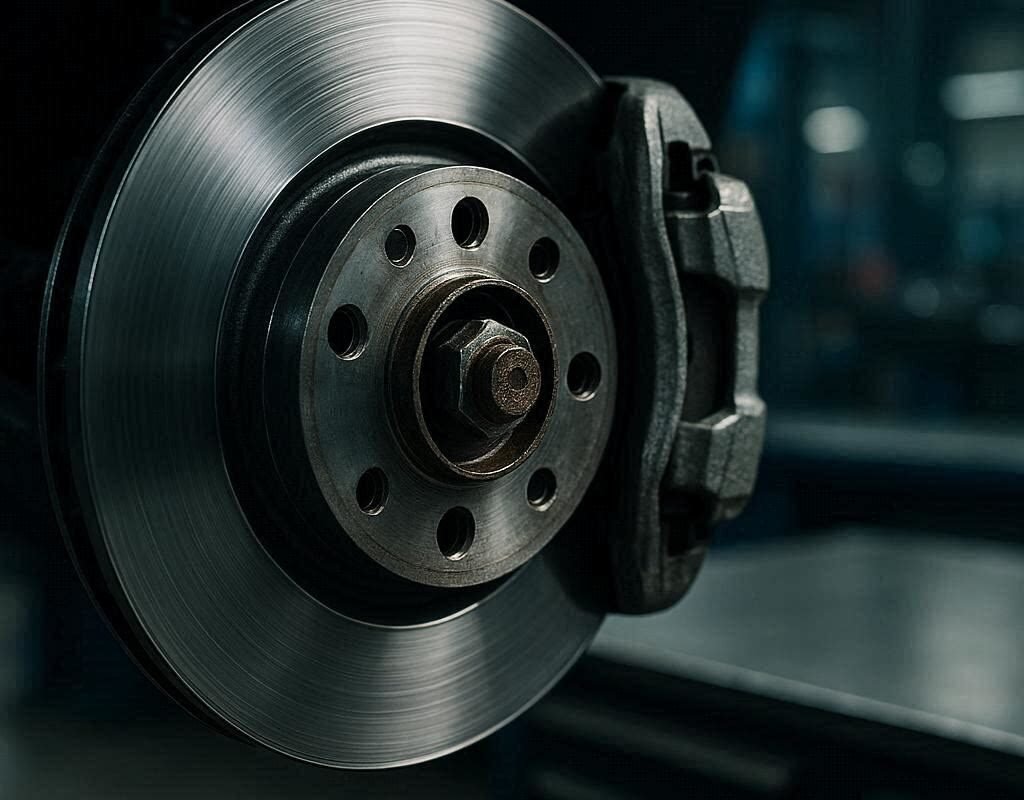
Few automotive noises are as piercing and nerve-wracking as high-pitched brake squealing. Every time you press the brake pedal, that sharp metallic screech serves as a loud reminder that something under your wheel arch needs attention.
While brake noises can certainly indicate a severe safety risk, not every squeak means your brakes are failing. Brake systems operate through high-friction contact between rotating metal discs (rotors) and high-density friction blocks (brake pads). Variations in temperature, humidity, debris, and wear levels can all cause vibration high enough in frequency to sound like a sharp squeal.
In this comprehensive maintenance guide, we will break down the common reasons why car brakes squeak, distinguish between harmless noises and critical warnings, and explain how to fix brake noise safely at home or in the shop.
How Disc Brakes Function & Cause Noise
To pinpoint the source of a squeak, it helps to understand how your vehicle’s stopping mechanism works.
When you press the brake pedal, hydraulic fluid pressurizes the brake caliper, pushing the brake pads firmly against both sides of the spinning brake rotor. The resulting friction converts kinetic energy into intense heat, slowing down your wheels.
When brake pads rub against rotors, they naturally vibrate. If those microscopic vibrations match a specific high harmonic frequency, they amplify into audible noise.
+---------------------------------------------------------------------------------+
|                         BRAKE NOISE DIAGNOSIS CHART                             |
+----------------------+---------------------------+------------------------------+
| Observed Noise Type  | Primary Cause             | Urgency & Action Level       |
+----------------------+---------------------------+------------------------------+
| High-pitch squeal    | Built-in wear indicator   | High: Replace brake pads     |
| Light morning squeak | Surface rust / Humidity   | Low: Fades after few stops   |
| Deep harsh grinding  | Worn out pad backing plate| Critical: Replace pads & rotor|
| Loud click or rattle | Loose pad retaining clips | Moderate: Service caliper hardware|
+----------------------+---------------------------+------------------------------+
5 Primary Causes of Squeaking Car Brakes
1. Worn Brake Pads (Built-in Wear Indicators)
The most common cause of persistent brake squealing is intentional. Most modern brake pads feature a small, semi-flexible metal tab called a wear indicator or acoustic squealer.
When your pad’s friction material wears down to roughly 2 mm to 3 mm of remaining thickness, this metal tab contacts the spinning rotor disc, producing a continuous high-pitched squeal when braking.
Action: This is your early warning sign. You should inspect and replace your brake pads promptly before the friction material wears off completely.
2. Surface Rust and Morning Moisture
If your brakes squeak during the first few stops on a humid morning or after rain, this is completely normal.
Brake rotors are made of cast iron and develop a thin layer of surface oxidation (rust) within hours of sitting in damp conditions. As you apply the brakes, the pads scrub this surface rust off, creating a temporary scraping or squeaking sound that disappears after a mile or two of driving.
3. High Metallic Brake Pad Compound
The material composition of your brake pads plays a major role in noise levels:
- Organic / Ceramic Pads: Quietest performance, smooth stopping, and low dust production.
- Semi-Metallic Pads: Contain 30% to 65% steel or iron fibers. While they offer superior heat dissipation and longer lifespan, metal-on-metal contact makes them naturally prone to cold squeaking.
4. Glazed Brake Pads and Rotors
Hard, aggressive braking—such as riding your brakes down a steep mountain pass or panic stopping repeatedly at high speeds—generates extreme heat. This intense thermal stress can melt the resins inside the pad friction material, curing it into a hard, glass-like finish known as glazing. Glazed pads lose their grip and vibrate loudly across smooth rotors.
5. Lack of Lubrication on Caliper Contact Points
Brake pads slide back and forth along metal bracket channels inside the caliper assembly. Over time, road dust washes away the high-temperature silicone grease applied to these contact points, causing the metal backings of the pads to vibrate violently against the caliper frame.
How to Fix and Prevent Squeaking Brakes
If your brake pads still have plenty of thickness remaining but continue to squeak annoyingly, try these straightforward solutions:
- Apply High-Temperature Anti-Seize or Brake Grease: Remove the brake pads and apply a thin layer of high-temperature brake grease (silicone or ceramic synthetic grease) specifically to the metal backing plates and sliding guide pins. NEVER apply grease to the friction face or rotor surface!
- Install Noise Abatement Shims: Ensure thin anti-rattle rubber/metal shims are installed on the rear of each brake pad. Shims dampen high-frequency vibrations before they reach the cabin.
- Clean Rotors with Brake Cleaner Spray: Spray specialized aerosol brake cleaner across the rotor surface and caliper assembly to wash away accumulated dust, grease residues, and road debris.
- Scuff Glazed Surfaces: Lightly sand glazed brake pad faces and rotor surfaces using medium-grit sandpaper to break up glassed resin and restore rough friction grooves.
Frequently Asked Questions (FAQ)
Q: Is it safe to drive with squeaking brakes?
A: If the squeak is caused by morning moisture or semi-metallic pad compounds, it is harmless. However, if the squeal occurs continuously every time you stop, your pads are near the end of their service life and should be inspected within a week.
Q: What is the difference between squeaking and grinding brake sounds?
A: Squeaking is a high-pitched vibration indicating wear indicators or friction dust. Grinding is a harsh, deep metallic crunch meaning the friction material is gone completely, causing the metal backing plate to carve grooves into the iron rotor. Grinding requires immediate rotor and pad replacement.
Q: How long do car brake pads typically last?
A: Average brake pads last between 30,000 and 70,000 miles (50,000 to 110,000 km), depending heavily on driving style, cargo weight, and city versus highway travel ratio.
Summary
Listening to your vehicle’s subtle warning sounds is key to avoiding expensive auto repairs. By distinguishing between simple surface moisture noise and high-wear indicator warnings, keeping caliper guide points lubricated, and replacing worn friction pads early, you ensure smooth, whisper-quiet stopping power on every drive.