 Lea
Lea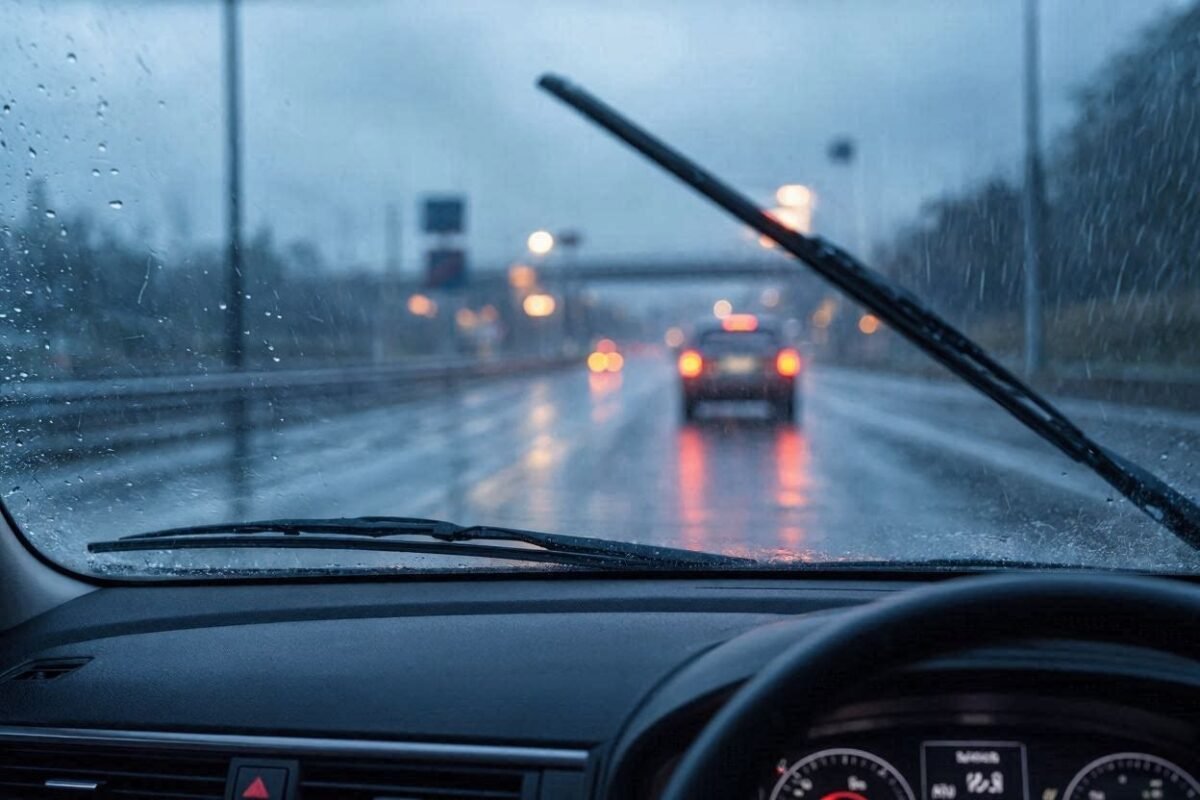
Driving in severe weather conditions is one of the most challenging experiences any motorist faces. Rain creates hazardous road conditions almost instantly, reducing visibility, decreasing tire traction, and increasing stopping distances.
Among all wet-weather driving hazards, aquaplaning (also known as hydroplaning) is arguably the most dangerous. Aquaplaning occurs when a layer of water builds up between your vehicle’s tires and the road surface, causing the tires to lose traction completely. When this happens, your vehicle effectively floats on top of the water, leaving you with zero control over steering or braking.
In this comprehensive safety guide, we will explain the mechanics of hydroplaning, outline essential pre-drive vehicle checks for rainy seasons, and share critical defensive driving techniques to keep you safe when navigating torrential rain.
The Physics of Aquaplaning: Why Tires Lose Grip
To prevent hydroplaning, it helps to understand how tire treads interact with water on the road.
Modern tire treads are engineered with deep directional grooves and sipes designed to channel water away from the rubber contact patch. Under normal conditions, these channels evacuate water rapidly so the rubber maintains direct contact with the road.
However, aquaplaning occurs when three factors combine:
- Excessive Speed: The tire travels faster than the speed at which its tread channels can displace water.
- Standing Water Depth: Water on the road surface accumulates faster than natural drainage allows.
- Low Tread Depth or Incorrect Pressure: Worn tread grooves or underinflated tires drastically reduce the volume of water the tire can channel away per second.
+---------------------------------------------------------------------------------+
|                       DRY VS. WET ROAD BRAKING DISTANCE                         |
+-------------------+--------------------+----------------------------------------+
| Vehicle Speed     | Dry Road Distance  | Wet Road Stopping Distance             |
+-------------------+--------------------+----------------------------------------+
| 30 mph (50 km/h)  | ~45 feet (14 m)    | ~90 feet (27 m) - [2x Increase]        |
| 50 mph (80 km/h)  | ~125 feet (38 m)   | ~250 feet (76 m) - [2x Increase]       |
| 70 mph (113 km/h) | ~315 feet (96 m)   | ~630 feet (192 m) - [2x Increase]      |
+-------------------+--------------------+----------------------------------------+
How to Control Your Vehicle If You Start Aquaplaning
If your steering wheel suddenly feels light, “floats,” or stops responding, or if your engine RPM spikes without speed increasing, you are hydroplaning. Panic reactions cause most wet-weather accidents. Follow these critical steps:
1. DO NOT Slam on the Brakes
Slamming on the brakes locks up the wheels. When locked tires reconnect with the road surface after sliding across water, the sudden grip surge can spin your vehicle out of control immediately.
2. Ease Off the Accelerator Slowly
Gently lift your foot off the gas pedal. Allow your vehicle’s engine braking momentum to naturally slow the car down until the tire treads cut back through the water layer and regain traction with the asphalt.
3. Hold the Steering Wheel Straight and Firm
Keep your hands firmly at the 9 and 3 o’clock positions. Keep the wheel pointed straight ahead in the direction you want to travel. Avoid jerking or turning the wheel sharply while sliding.
Essential Pre-Rain Vehicle Safety Checklist
Before driving into heavy storms, ensure your car’s primary safety systems are ready:
- Inspect Windshield Wipers: Wiper blades deteriorate after 6 to 12 months. Replace blades immediately if they leave streaks, chatter across the glass, or fail to clear water smoothly.
- Maintain Adequate Tire Tread Depth: While legal tread limits are 2/32″ (1.6 mm), wet traction drops significantly below 4/32″ (3.2 mm). Ensure tires are inflated to factory specification.
- Check Headlights and Taillights: Rain drastically reduces ambient visibility. Ensure all headlights, taillights, and fog lights function properly so other drivers can spot your vehicle easily.
- Clean the Inside of Your Windshield: Dirt and oily film on inner glass attract moisture, causing windshields to fog up rapidly when humidity spikes.
5 Golden Rules for Driving in Heavy Rain
- Slow Down Immediately: Reducing your speed by just 10 to 15 mph dramatically lowers the risk of aquaplaning by allowing tire treads sufficient time to displace standing water.
- Turn OFF Cruise Control: Never use Cruise Control on wet or slippery roads. If your car hydroplanes with cruise control engaged, the system may automatically increase engine power to maintain speed, worsening the loss of control.
- Double Your Following Distance: Extend your normal 3-second safety gap to at least 6 seconds behind the vehicle ahead to accommodate doubled stopping distances.
- Drive in the Tracks of the Vehicle Ahead: Follow the temporary clear tracks left in standing water by the tires of the car ahead of you. Those tracks carry less water volume.
- Turn On Low-Beam Headlights: Avoid using high beams in heavy rain; intense light reflects off water droplets, creating blinding glare for yourself and oncoming traffic.
Frequently Asked Questions (FAQ)
Q: Should I turn on my hazard warning lights (double indicators) while driving in heavy rain?
A: No! In most regions, driving with hazard lights on is illegal and unsafe. Hazard lights should only be used when your vehicle is completely stopped or disabled on the shoulder. Using them while moving prevents you from signaling lane changes and confuses drivers behind you.
Q: What should I do if my windshield fogs up suddenly during rain?
A: Turn on your AC system, set temperature to warm or cool, enable Fresh Air mode (turn OFF recirculation), and direct vents toward the windshield. The AC compressor acts as a dehumidifier, clearing glass condensation in seconds.
Q: How deep does water need to be for a car to hydroplane?
A: Hydroplaning can occur in water as thin as 1/10th of an inch (2.5 mm) when traveling at speeds over 35 mph (55 km/h) on worn tires.
Summary
Driving safely in heavy rain comes down to preparedness and patience. By maintaining proper tire tread depth, keeping wiper blades fresh, turning off cruise control, and staying calm during hydroplaning situations, you can navigate wet roadways with total confidence.