 Lea
Lea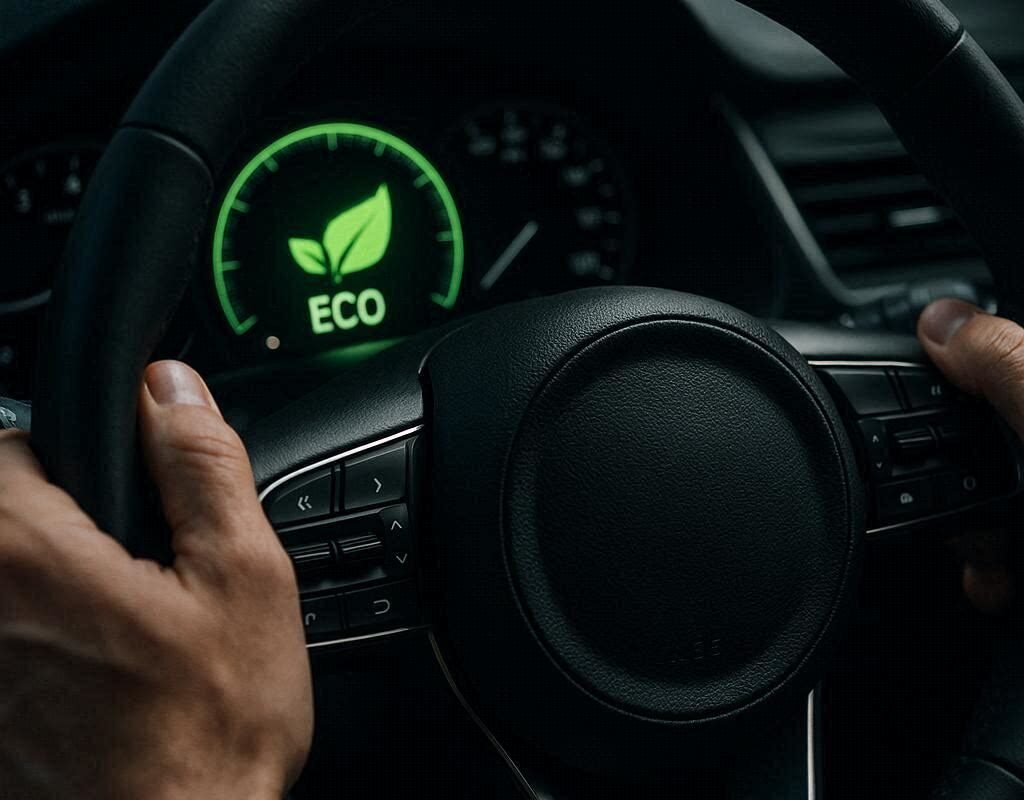
Fluctuating gas prices, rising daily commute costs, and environmental concerns have made fuel efficiency a top priority for car owners worldwide. While many drivers assume that improving fuel economy requires buying a hybrid or electric vehicle, the reality is far simpler: your driving habits influence fuel consumption more than almost any engine upgrade.
Aggressive driving habits—such as rapid acceleration, hard braking, high-speed highway cruising, and excessive idling—can reduce your fuel economy by up to 15% to 30% at highway speeds and 10% to 40% in heavy stop-and-go city traffic.
By adopting Eco-Driving, a set of smooth, energy-conscious driving techniques, you can instantly boost your gas mileage by up to 20%, lower maintenance costs, and extend the lifespan of your engine and brakes—without adding significant time to your daily travel.
In this comprehensive guide, we will break down the science of fuel consumption, detail five high-impact eco-driving techniques, and share daily habits that maximize every gallon or liter in your tank.
The Physics of Fuel Efficiency: How Gasoline Is Wasted
To understand eco-driving, it helps to look at where your engine’s energy actually goes. Internal combustion engines convert liquid fuel into rotational force (torque). However, a large percentage of fuel energy is lost to heat, mechanical friction, aerodynamic drag, and rolling resistance.
Key Factors That Consume Fuel:
- Inertia & Weight: Accelerating a 1.5-ton vehicle from a complete standstill requires a massive amount of kinetic energy. The harder you press the gas pedal, the more fuel injectors spray into the cylinders.
- Kinetic Energy Loss via Braking: Every time you press the brake pedal, all the momentum generated by burning fuel is instantly converted into wasted heat on the brake rotors.
- Aerodynamic Drag: Air resistance increases exponentially with speed. Driving at 75 mph (120 km/h) consumes up to 20% more fuel than driving at 60 mph (95 km/h) due to wind resistance.
5 High-Impact Eco-Driving Techniques
+---------------------------------------------------------------------------------+
|                         AGGRESSIVE VS. ECO-DRIVING COMPARISON                  |
+----------------------+---------------------------+------------------------------+
| Driving Situation    | Aggressive Habit (Wasteful)| Eco-Driving Habit (Efficient)|
+----------------------+---------------------------+------------------------------+
| Traffic Light Start  | Hard throttle launch      | Smooth 5-second roll up      |
| Approaching Red Light| Late, hard braking        | Early coasting / Engine brake|
| Highway Speed        | 75-80 mph with surging    | 60-65 mph steady with Cruise |
| Stopped in Traffic   | Engine idling > 2 minutes | Engine off or Auto-Stop active|
| Tire Maintenance     | Underinflated by 5-10 PSI | Correct factory door placard |
+----------------------+---------------------------+------------------------------+
1. Master the “5-Second Acceleration” Rule
Instead of stomping on the gas pedal when a traffic light turns green, practice gentle, linear acceleration. Aim to take 5 seconds to reach 15 mph (25 km/h) from a complete stop. Imagine a cup of coffee sitting on your dashboard—accelerate smoothly enough that it wouldn’t spill. This single adjustment prevents the engine computer from surging rich fuel mixtures into the combustion chambers.
2. Anticipate Traffic Flow and Coast Early
One of the most effective fuel-saving techniques is coasting. Pay attention to traffic signals and vehicles ahead rather than just the car directly in front of you.
- If you see a red light 200 yards ahead, immediately lift your foot off the accelerator.
- Modern fuel-injected vehicles feature Deceleration Fuel Cut-Off (DFCO). When coasting in gear with your foot off the gas pedal, the engine control unit (ECU) cuts fuel injection to nearly zero, using the rolling momentum of the wheels to keep the engine turning over.
3. Maintain a Steady Highway Speed (Use Cruise Control)
Surging speed up and down on the highway wastes significant amounts of fuel. Variations as small as 5 mph can increase fuel consumption.
- Engage Cruise Control on flat, open highways to maintain a consistent speed.
- On hilly terrain, however, turn Cruise Control off manually. Allow your speed to drop slightly while climbing hills, then regain momentum naturally on the downhill descent.
4. Eliminate Excessive Idling
Idling yields 0 miles per gallon. Sitting with your engine running while waiting for passengers, at drive-thrus, or during extended stops burns between 0.2 to 0.5 gallons (0.7 to 1.9 liters) of fuel per hour.
- 10-Second Rule: If you plan to remain stopped for more than 10 seconds (excluding active traffic stops), turning off your engine consumes less fuel than idling.
- If your vehicle features an automatic Start-Stop system, keep it enabled.
5. Shed Unnecessary Weight and Aerodynamic Drag
Carrying excess weight or driving with roof racks creates unnecessary work for your engine:
- Every extra 100 lbs (45 kg) in your trunk reduces fuel economy by roughly 1%.
- Roof boxes, bike racks, or open windows at highway speeds dramatically increase aerodynamic drag. Remove empty roof racks when not in use, and roll up windows at speeds above 45 mph (70 km/h) in favor of mild AC use.
Frequently Asked Questions (FAQ)
Q: Does using Air Conditioning consume more fuel than rolling down windows?
A: It depends on your speed! At city speeds (under 45 mph / 70 km/h), rolling down windows creates minimal drag and uses less energy than running the AC compressor. At highway speeds, open windows create severe wind drag, making running the AC more fuel-efficient than driving with open windows.
Q: Does premium high-octane fuel improve gas mileage in normal cars?
A: No. Unless your owner’s manual explicitly requires or recommends high-octane fuel for a high-compression or turbocharged engine, using premium gas in a car designed for regular unleaded offers zero performance or fuel economy benefits.
Q: Will driving in neutral down a hill save fuel?
A: No, this is a myth—and dangerous! Driving in neutral forces the engine to burn fuel to idle (keep running). In contrast, keeping the car in gear while coasting downhill triggers Deceleration Fuel Cut-Off, cutting fuel flow completely while keeping you in full control of the vehicle.
Summary
Improving fuel economy doesn’t require dramatic changes or driving dangerously slow. By adopting smooth acceleration, anticipating stops to coast early, maintaining steady highway speeds, and eliminating unnecessary idling, you can reduce fuel expenses by 20% while enjoying a smoother, safer, and less stressful driving experience.