 Lea
Lea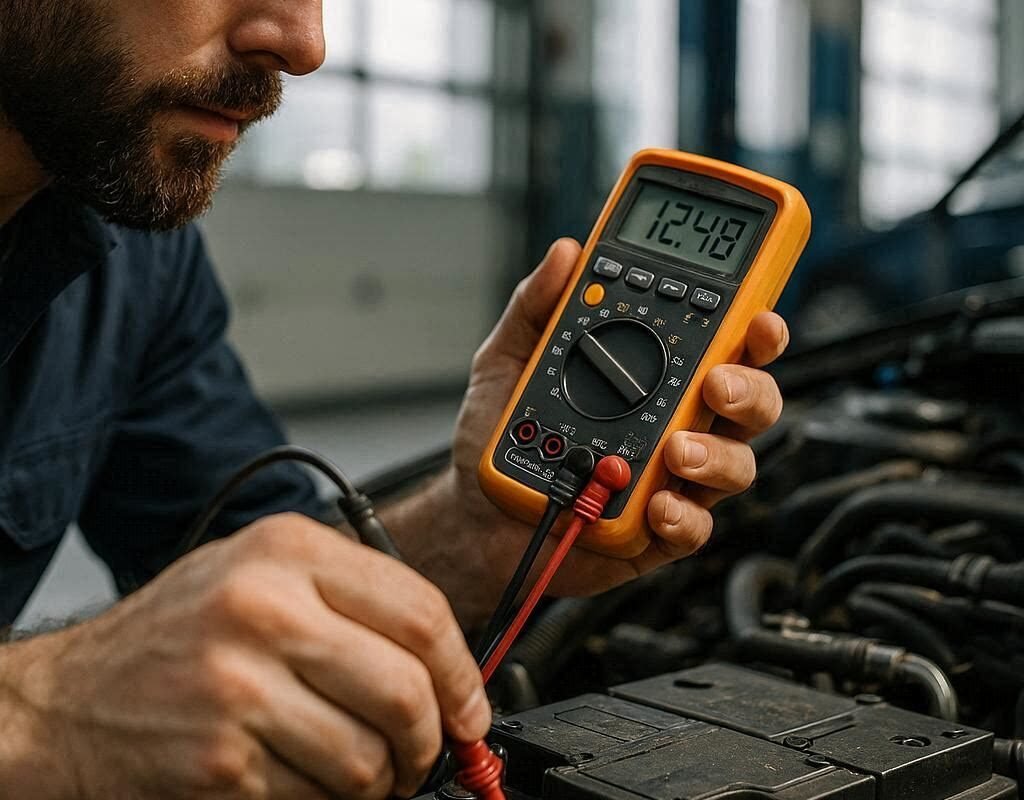
Few experiences are as frustrating as turning the key or pressing the start button on a rushed morning, only to hear a weak clicking sound while your engine refuses to turn over. A dead battery is one of the single most common causes of unexpected roadside failure.
Modern vehicles place higher demands on their electrical systems than ever before. Beyond simply starting the engine, your battery powers complex onboard computers, digital displays, climate control systems, cameras, and safety sensors. Because car batteries degrade gradually over time, recognizing subtle warning signs early allows you to replace a failing unit before it leaves you stranded.
In this comprehensive guide, we will explore the five major signs that your car battery is near the end of its lifespan, explain how to test its charge at home, and share practical habits to extend its overall service life.
How a Car Battery Works & Why It Fails
Before examining the warning signs, it helps to understand what happens under the hood. Most standard passenger vehicles use a 12-volt lead-acid battery (or an AGM / Absorbed Glass Mat battery in vehicles equipped with automatic Start-Stop technology).
The battery performs two critical jobs:
- Engine Cranking: Supplying a high burst of electric current (Cranking Amps) to the starter motor to turn the engine over.
- Voltage Stabilization: Buffering electric loads and powering electronics when the engine is off or idling.
Once the engine is running, the alternator takes over to power the electrical systems and recharge the battery. Over time, internal lead plates suffer from sulfation (sulfate crystal buildup) and chemical breakdown caused by heat and charge cycles, causing the battery to lose its ability to store energy.
5 Major Warning Signs Your Battery Is Failing
1. Slow, Sluggish Engine Crank
The most distinct symptom of a weak battery is a slow engine start. When you turn ignition keys, the engine may sound sluggish or take several extra seconds of “whirring” (rrmm… rrmm…) before starting up. This indicates that the battery cannot supply sufficient peak amperage to the starter motor.
2. Dim Headlights and Electrical Glitches
Because your battery stabilizes the vehicle’s electrical voltage, a declining battery affects accessories before failing completely:
- Headlights appear dim or yellowed, particularly when idling at a red light.
- Power windows roll up significantly slower than usual.
- Radio/infotainment screens reset or lag during engine start.
+---------------------------------------------------------------------------------+
|                         BATTERY VOLTAGE STATE OF CHARGE                         |
+-------------------+-----------------------+-------------------------------------+
| Voltage Reading   | Charge Level          | Battery Condition Status            |
+-------------------+-----------------------+-------------------------------------+
| 12.6V or higher   | 100% Fully Charged    | Healthy & Optimal                   |
| 12.4V             | 75% Charged           | Good Condition                      |
| 12.2V             | 50% Charged           | Weak / Needs Recharge or Testing    |
| 12.0V or lower    | 25% or Discharged     | Failing / Immediate Replacement     |
+-------------------+-----------------------+-------------------------------------+
3. White Powdery Corrosion on Terminals
Open your hood and inspect the positive (+) and negative (-) metal terminals on top of the battery. If you see crusty white, blue, or greenish powdery deposits around the clamps, you are looking at corrosion caused by leaking hydrogen gas. This buildup creates electrical resistance, preventing the alternator from charging the battery efficiently.
4. Swollen or Deformed Battery Case
Extreme heat and severe overcharging cause internal chemical reactions that produce excess gas inside sealed battery casings. If the sides of your battery appear swollen, bloated, or misshapen, the internal structure is permanently compromised and must be replaced immediately.
5. Age: Your Battery Is Over 3 Years Old
While driving habits and climates alter lifespan, standard automotive batteries typically last 3 to 5 years. In hot climates, internal battery fluid evaporates faster, often shortening lifespan to 2 to 3 years. If your battery is past its 3rd anniversary, routine testing is strongly advised.
How to Test Your Battery Voltage at Home
You can check your battery’s health in under three minutes using an inexpensive multimeter:
- Safety First: Wear protective glasses and ensure the vehicle engine has been off for at least 30 minutes.
- Set the Multimeter: Turn the dial to 20V DC (Direct Current).
- Connect the Probes: Place the red probe on the positive (+) terminal and the black probe on the negative (-) terminal.
- Read the Result:
- 12.6V to 12.8V: Healthy, fully charged battery.
- Below 12.2V: Discharged or sulfated; requires charging or replacement.
- Start Test: Have a partner crank the engine while watching the meter. If voltage drops below 9.6V during cranking, the battery lacks starting power and should be replaced.
Simple Habits to Extend Your Battery Life
- Avoid Short Trips: Frequent 5-minute drives do not give the alternator enough time to fully recharge the battery.
- Turn Off Accessories Before Engine Shut-off: Turn off headlights, AC blowers, and seat heaters before turning off the ignition key.
- Keep Terminals Clean: Clean minor corrosion away using a brush dipped in a baking soda and warm water mixture.
- Use a Trickle Charger: If storing your vehicle for weeks, connect a smart trickle charger (battery maintainer) to preserve voltage.
Frequently Asked Questions (FAQ)
Q: Can a bad battery damage my car’s alternator?
A: Yes! Driving on a dying battery forces the alternator to work constantly at maximum capacity to compensate for low voltage. Over time, this extra stress can overheat and burn out the alternator.
Q: What is the difference between an AGM and standard flooded battery?
A: AGM (Absorbed Glass Mat) batteries hold electrolyte fluid inside fiberglass mats rather than free liquid. They resist vibration better, charge faster, and last longer—making them mandatory for vehicles with automatic Start-Stop engine systems.
Q: Will jump-starting a dead battery fix it?
A: Jump-starting only provides temporary power to crank the engine. If the battery is old or mechanically damaged, it will fail to hold a charge once you turn the engine off again.
Summary
Paying attention to warning signs like a slow crank, dim lights, terminal corrosion, or age allows you to schedule a battery replacement at your convenience rather than calling a tow truck on the side of the road. Test your battery annually after its second year to ensure worry-free driving.